
Sports Physiotherapy
Sports physiotherapy: comprehensive care to treat injuries, prevent recurrence and improve performance
Sports physiotherapy is a specialised area of rehabilitation for anyone who takes part in physical activity, from occasional exercisers to competitive athletes. Contrary to common belief, it is not limited to serious injuries: it also supports injury prevention, performance improvement and a gradual return to sport.
At a medical centre, sports physiotherapy takes a whole-person approach, considering your fitness level, goals and physical demands.
What is sports physiotherapy?
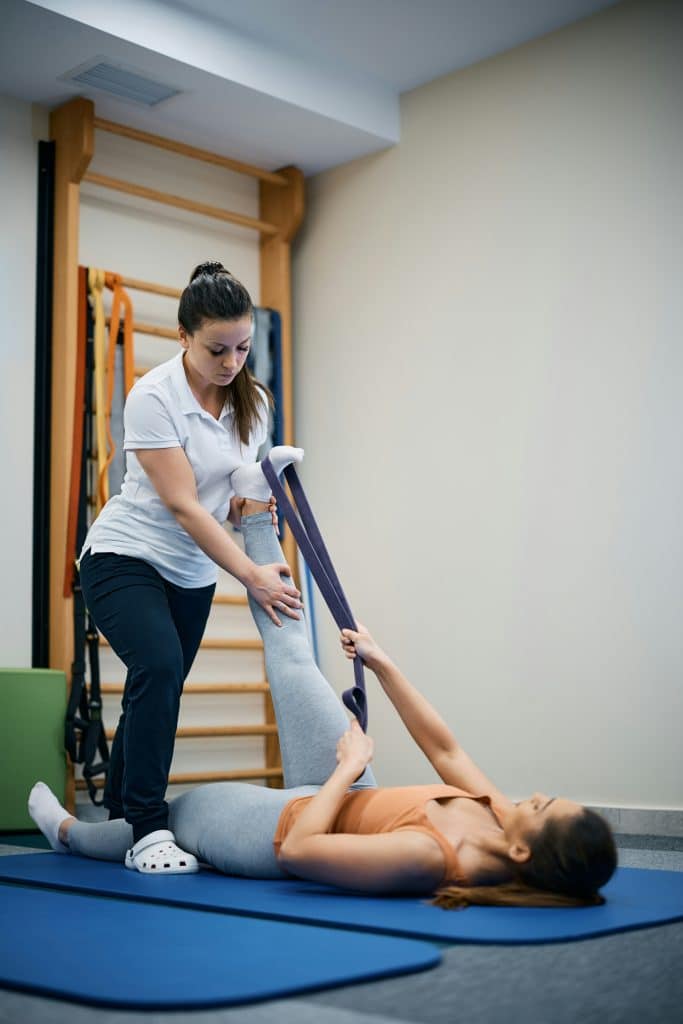
Sports physiotherapy focuses on assessing, treating and preventing injuries related to sport and physical activity. It combines detailed movement analysis, biomechanics and an understanding of the demands of each sport.
A sports physiotherapist does more than treat pain: they look at why the injury occurred, then address contributing imbalances to help prevent recurrence.
This approach may include:
- manual therapy techniques
- sport-specific exercises
- targeted strength training
- functional rehabilitation adapted to your sport
What is sports physiotherapy used for?
Sports physiotherapy can support you at several key stages:
- after an injury (sprains, muscle strains, tendinopathies…)
- after surgery (ACL, shoulder or ankle surgery…)
- for injury prevention
- during the return-to-sport process
- to improve performance and physical conditioning
It helps you rebuild a functional, stable body that can withstand the demands of your sport.
What are the benefits of sports physiotherapy?
A course of sports physiotherapy can provide many benefits:
- less pain
- faster recovery
- improved mobility
- targeted strength development
- better coordination and stability
- a lower risk of re-injury
Above all, it helps you regain confidence in your body, which is essential for returning to physical activity with peace of mind.
Who can benefit from sports physiotherapy?
Sports physiotherapy is for a much broader audience than many people realise. It can help recreational athletes who run, do fitness or play football, as well as regular athletes with demanding training schedules. It is also suitable for people returning to sport after a period away and for active patients with movement-related pain in everyday life.
Growing teenagers can also benefit from tailored care to support physical changes and help prevent certain injuries. Adults returning to physical activity after an injury or a period of inactivity can likewise use sports physiotherapy as a safe, gradual framework.
You do not need to be a high-level athlete to seek care. Sports physiotherapy is for anyone who wants to move better, without pain, and in a sustainable way.

Which conditions are treated with sports physiotherapy?
A sports physiotherapist can treat a wide range of conditions, including:
- sprains (ankle, knee)
- ligament tears (including ACL injuries)
- muscle strains
- tendinopathies (knee, shoulder, Achilles tendon…)
- sport-related lower back pain
- joint instability
- patellofemoral pain syndrome
- shin splints
Each condition requires an individual treatment plan adapted to the stage of recovery.
Preventing sports injuries and recurrence
One of the key roles of sports physiotherapy is prevention. Injuries rarely happen by chance: they are often linked to an imbalance, overload or faulty technique.
A sports physiotherapist identifies risk factors such as:
- muscular imbalances
- postural problems
- poor load management
- reduced mobility or stability
They then create a personalised programme to address these factors and reduce the risk of recurrence.
Return-to-sport rehabilitation: a key stage of recovery
Return-to-sport rehabilitation is an essential, often overlooked phase. It bridges standard rehabilitation and the return to sport.
It helps you:
- regain the physical capacities required for your sport
- reintroduce your body to sporting demands
- develop speed, power and explosiveness
- rehearse sport-specific movements
This stage is essential to avoid a sudden return and reduce the risk of a new injury.
A gradual, safe return to sport
Returning to sport after an injury should never be rushed. A return that happens too quickly is one of the main causes of recurrence.
A sports physiotherapist guides this phase by:
- assessing the patient’s physical abilities
- setting progressive goals
- adjusting training load
- clearing each stage of the return-to-sport process
The goal is to restore an optimal level of activity while respecting the body’s current capacity.

A comprehensive, personalised approach
Sports physiotherapy is not limited to treating a painful area. It takes a whole-body approach that considers:
- posture
- biomechanics
- lifestyle habits
- activity level
Each patient receives personalised support adapted to their needs and goals.
Conclusion
Sports physiotherapy is much more than a way to treat injuries. It provides meaningful support for recovery, prevention and performance.
Whether you are an occasional or regular athlete, consulting a sports physiotherapist can help you understand your body, correct imbalances and return to physical activity safely.
Investing in high-quality rehabilitation means investing in a sustainable, pain-free sporting practice.
Sports-specific physiotherapy


Our physiotherapists

Sophie Carlier
General, maxillofacial and vestibular physiotherapy

Zoé Debaize
General and sports physiotherapy

Mattéo Cattez
General and sports physiotherapy

Ysaline Colpaert
General and sports physiotherapy