Nephrology
Nephrology: understanding, monitoring and treating kidney disease
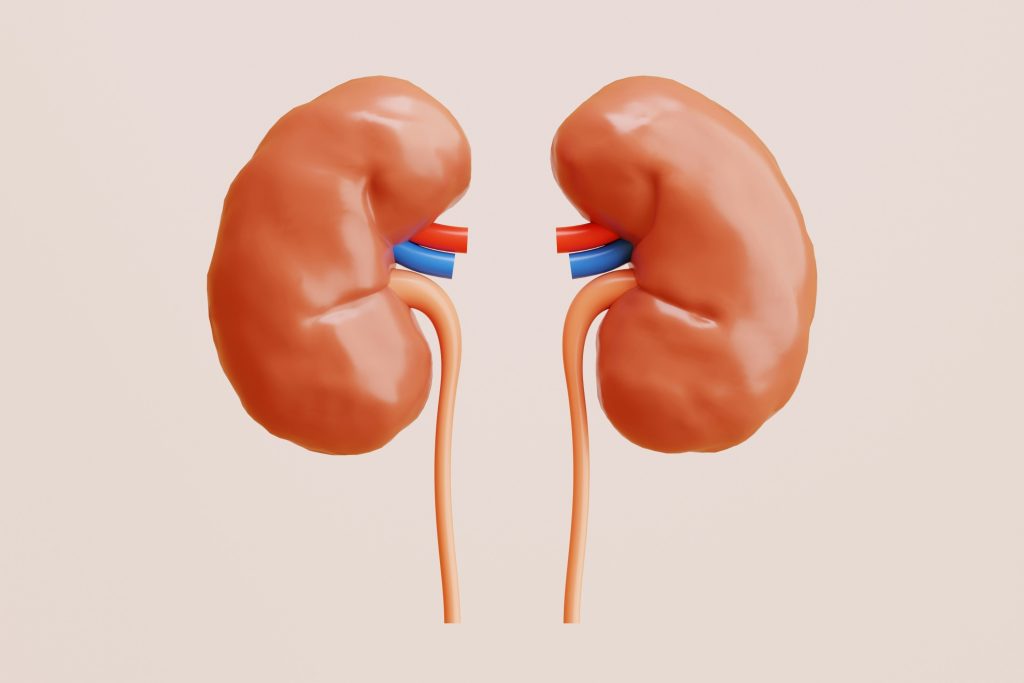
La nephrology is a medical speciality dedicated to the prevention, diagnosis and treatment of kidney disease. These organs play an essential role in our bodies: they filter waste from the blood, regulate the balance of water, mineral salts and acids, help control blood pressure and produce certain hormones.
When the kidneys are affected or function less well, this can lead to discrete but severe problems, includingchronic renal failure.
When should I see a nephrologist?
A nephrology consultation is recommended in a number of situations, including
- In the event ofhigh blood pressure difficult to balance
- If urine tests reveal the presence of proteins or blood
- When a blood test shows a impaired renal function
- In the presence of frequent kidney stones
- If you have diabetesof cardiovascular diseases or metabolic diseases that can affect the kidneys
- In the event of genetic kidney disease such as polycystic fibrosis
- Before or after a dialysis or a kidney transplant
Our nephrologists are also involved in multidisciplinary care in conjunction with your GP or other specialists.
Specialist support to keep your kidneys healthy
Many kidney diseases develop silently. Early detection can often slow or halt their progression. Our approach is based on comprehensive and humane care: listening to the patient, in-depth check-ups, personalised treatments and therapeutic education.
Nephrology consultations include
- Coordination with dialysis or transplant services if necessary
- Assessment of renal function
- Monitoring the progress of chronic kidney disease
- The introduction of suitable treatments to slow down the deterioration of the kidneys
Our doctors

Dr. Mark Libertalis
Nephrologist